Dr Tina's Skintegritty
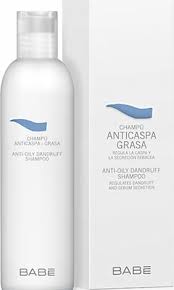
BABE ANTI-OIL DANDRUFF SHAMPOO
BABE ANTI-OIL DANDRUFF SHAMPOO
Couldn't load pickup availability
BABE Anti-Oily Dandruff Shampoo.
This product is formulated by BABÉ Laboratorios and is designed for an oily scalp condition that is also affected by dandruff and itching.
Here is a summary of the key information about the product:
-
Primary Action: It reduces excess oil (sebum), eliminates dandruff flakes, and relieves scalp itching and discomfort.
-
Key Active Ingredients:
-
Piroctone Olamine: Fights the fungus (Malassezia Globosa) that is responsible for causing oily dandruff.
-
Salicylic Acid: A Beta Hydroxy Acid (BHA) that provides a keratolytic (exfoliating) action to help detach scales/flakes from the scalp and has a sebum-regulating effect.
-
Cytobiol Bardana (0.5%): A complex that includes burdock extract, zinc, and biotin, which helps regulate sebum production and strengthen the hair structure.
-
-
Usage: It is generally recommended to use it 2-3 times per week to eliminate flakes and control oiliness. You can alternate it with a mild shampoo for regular washing. For best results, it should be applied to the scalp and left to act for a few minutes before rinsing.
-
Benefits:
-
Stops flaking.
-
Reduces itching sensations.
-
Regulates and reduces excess oil (sebum).
-
Cleanses thoroughly without stripping natural moisture.
-
Contains conditioning actives for softer, easier-to-comb hair.
-
If you are dealing with oily dandruff, you may also find general tips helpful:
-
Wash Consistency: Maintain a regular washing routine (2-3 times a week is often recommended for medicated shampoos) to prevent oil and product buildup.
-
Ingredients to Look For: For oily dandruff, shampoos with ingredients like Ketoconazole, Pyrithione Zinc, Selenium Sulfide, and Salicylic Acid are commonly used.
-
Avoid Over-Aggressive Scrubbing: This can worsen irritation.
-
Diet and Stress: Managing stress and maintaining a healthy diet can also help regulate oil production and scalp health.
If your dandruff is severe or persistent, it is always best to consult with a dermatologist for a personalized diagnosis and treatment plan.
Share